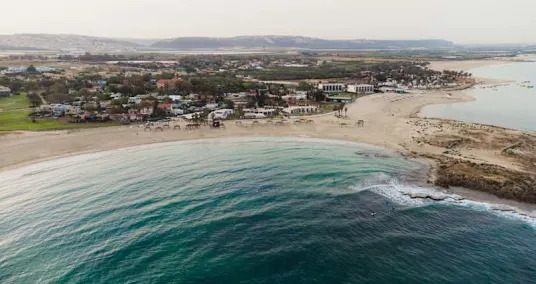
The discovery was made in an ancient shipwreck in the Dor Lagoon near the Carmel Coast, where archaeologists recovered nine pieces of unprocessed iron known as “blooms.”
Researchers from the University of Haifa said Wednesday that an underwater excavation off Israel’s northern Mediterranean coast uncovered what they described as the earliest known cargo of raw iron transported by ship, dating back around 2,600 years, Xinhua reported.
The discovery was made in an ancient shipwreck in the Dor Lagoon near the Carmel Coast, where archaeologists recovered nine pieces of unprocessed iron known as “blooms.” According to the university, the find provides direct evidence of how iron was transported in its earliest commercial stages.
The material was preserved in its original form, having solidified directly in a smelting furnace without undergoing forging or further refinement. Researchers said this distinguishes the cargo from later iron artifacts that typically show signs of shaping or tool-making.
Unlike copper and bronze, which could be melted into liquid form in ancient production processes, iron was heated with charcoal to produce a solid, porous mass. That mass was generally hammered to remove impurities and create denser material suitable for tools and implements.
The recovered blooms showed no indication of that secondary processing stage, suggesting they were transported immediately after production.

Earliest iron shipment discovered in ancient Mediterranean wreck
To determine the age and condition of the cargo, researchers conducted microscopic and chemical analyses.
Radiocarbon dating was also carried out on charred wood embedded in one of the pieces, helping confirm the timeline of the shipment. The findings were published in the journal Heritage Science.
Researchers said the cargo indicates that iron was being moved in raw form from production sites to other locations for further processing, pointing to a level of specialization in ancient manufacturing and trade networks in the Mediterranean.
The University of Haifa said the discovery provides new insight into early iron production and distribution practices in the region.
LATEST POSTS
- 1
 Glen Powell will host 'Saturday Night Live' with Olivia Dean as musical guest: What to know ahead of their debut
 - 2Manhunt for Brown University shooter continues: FBI releases photos of suspect, announces $50K reward
- 3Sexual violence part of 'everyday life' in parts of Sudan, charity says
- 4With Obamacare premium hikes, more people opting for no coverage or cheaper plans
- 5Astronomers now say the moon is eating up molecules from Earth’s atmosphere





- Island Travel Guide: Must-Visit Objections for 2024
- The Difficulties of Getting a Green Card in the US
- Extreme Manual for Picking a Camper Van
- The Solution to Ecological Protection: Saving Nature for People in the future
- ‘The White Lotus’ sparked online interest in risky anxiety pills, study says
- Honda’s Biggest Flex Isn’t Its Superbikes, It’s Selling 500K Bikes In One Month
- One of the best meteor showers of the year peaks at the worst possible time this week
- Germany's Merz under fire in Brazil for his comments on Amazon host city of COP30
- Vote In favor of Your Favored Treat