The deepening energy crisis triggered by the US-Israel war with Iran has thrust energy security back onto the political stage in European countries — and widened fault lines along with it.
In the UK — which is particularly vulnerable because of its imports of gas, and which suffered hefty price rises following Russia’s 2022 invasion of Ukraine — attention this time has shifted from diversifying supply away from single countries to a broader push to move beyond fossil fuels, said Annabel Rice, a senior political adviser at the Green Alliance, a London-based think tank. Or at least, that’s the takeaway the governing Labour Party seems to have settled on, casting renewables as more insulated to oil price shocks.
France is similarly leaning towards reducing reliance on hydrocarbons. The country’s prime minister has tasked his cabinet with identifying priority actions to electrify the economy. Others in Europe, such as Italy, have so far opted to double down on fossil fuels to cushion the blow from surging electricity bills. The UK’s opposition Conservative Party is pitching a similar idea, launching a “Get Britain Drilling” campaign this week, pressing to reverse the country’s ban on North Sea oil and gas licenses and claiming it would cut bills significantly.

LATEST POSTS
- 1
 Parents search for children missing since a volcanic eruption in Colombia 40 years ago
 - 2EU delays signing of Mercosur free trade deal
- 3Doctors looking into hormone therapy as a way to ward off dementia in women
- 4BravoCon 2025: How to watch, full schedule and lineup, where to stream free and more
- 5Vote in favor of your #1 Sort of Convenience for a Family


- Elanco's drug gets emergency nod to treat deadly flesh-eating parasite in cats
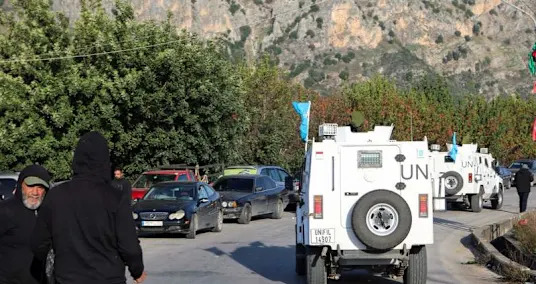
- Hezbollah rockets hit 165 UNIFIL positions in Lebanon while targeting Israel, IDF reveals
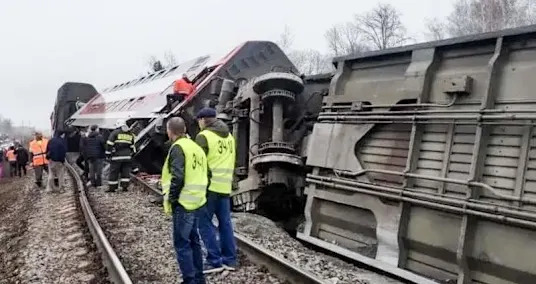
- Dozens injured in Russia after train crashes, overturns
- German Cabinet advances bill to cut greenhouse emissions from fuels
- Grasping the Course of Evacuation and Extradition in U.S. Migration
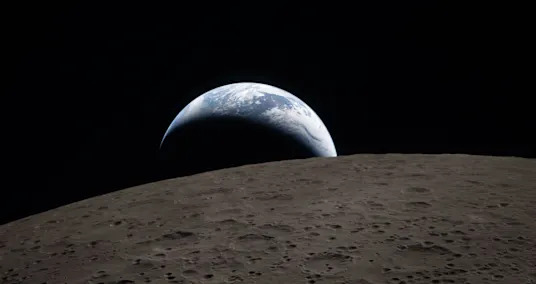
- See the first close-up photos of the moon from NASA's Artemis II mission
- Italian police hold suspected boss of Naples Mafia's Mazzarella Clan
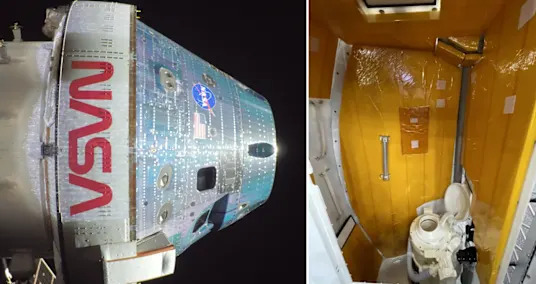
- The breakout star of NASA's Artemis 2 moon mission isn't an astronaut — it's the space toilet
- Reclassifying Achievement: Individual Accounts of Seeking after Interests