NASA has lost contact with a spacecraft that has orbited Mars for more than a decade.
Maven, an acronym for Mars Atmosphere and Volatile Evolution, abruptly stopped communicating with ground stations on Dec. 6. NASA said this week that it was working fine before it went behind the red planet. When it reappeared, there was only silence.
Launched in 2013 and having entered Mars' orbit in September 2014, Maven began studying the upper Martian atmosphere and its interaction with the solar wind. Scientists ended up blaming the sun for Mars losing most of its atmosphere to space over the eons, turning it from wet and warm to the dry and cold world it is today.

Maven also has served as a communication relay for NASA's two Mars rovers, Curiosity and Perseverance.
Engineering investigations are underway, according to NASA.
What other current spacecraft orbit Mars?
NASA has two other spacecraft around Mars that are still active: the Mars Reconnaissance Orbiter, launched in 2005, and Mars Odyssey, launched in 2001.
The Mars Reconnaissance Orbiter has captured unique images on Mars, including in 2023 of Mars craters and cracks creating an image of a teddy bear, and in 2019 when it captured a snapshot of the "Star Trek" Starfleet logo that was created by wind, lava and dunes.
The Mars Reconnaissance Orbiter's mission is to "search for evidence that water persisted on the surface of Mars for long periods of time," according to NASA.
Earlier this year, the Mars Odyssey captured a dazzling image showing an unprecedented view of a 12-mile-high volcano poking through clouds at dawn on the red planet. The Mars Odyssey also holds the record for the longest continually active mission in orbit around a planet other than Earth.
The Mars Odyssey's mission is to study "clouds, fog and frost, and mapping surface rocks to make future Mars landings safer," according to NASA.
Man who died on cruise ship served 33 alcoholic drinks "in a matter of hours," lawsuit alleges
Eileen Higgins wins Miami mayoral race, first Democrat in more than 30 years
U.S. fighter jets fly near Venezuela coast as military costs add up for taxpayers
LATEST POSTS
- 1
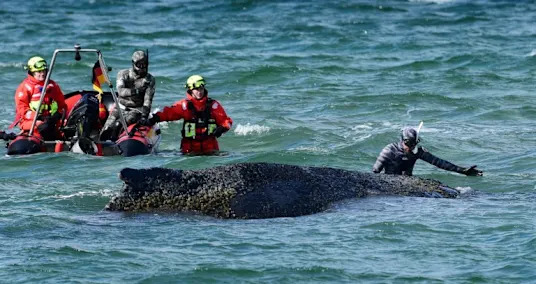
 Freed whale gets stranded again off German coast
 - 2What to know about the "wild, wild West" of viral peptide claims
- 3Vote in favor of Your Number one kind of pie
- 4Canada's Serene Lakeside Mountain Village Is A Breathtaking Oasis For Outdoor Adventure
- 5Spain and Catholic Church agree to compensate sex abuse victims




- Kids get diseases like lupus, too. As researchers hunt better treatments, this camp brings joy
- Top 15 Supportable Design Brands Coming out on top
- Pacific voyagers’ remarkable environmental knowledge allowed for long-distance navigation without Western technology
- A Sweet Choice: Pick Your #1 Cake!
- Aluminum salts emerge as likely target as health officials scrutinize childhood vaccines
- Research institutions tout the value of scholarship that crosses disciplines – but academia pushes interdisciplinary researchers out
- The Best Portable Applications for Psychological wellness and Prosperity
- Smooth countdown continues for Artemis II moon mission
- Protester climbs on to balcony of Iranian embassy in London